snugglebunchesofeyes:

killerchickadee:

intheheatherbright:

Costume. Chitons.

Marjorie & C. H. B.Quennell, Everyday Things in Archaic Greece (London: B. T. Batsford, 1931).

Wait, wait…. Is that seriously it? How their clothes go?

Take the shower curtain and add a belt, party at Caligula’s

The Dorian Chiton was my go-to sheet-based ancient Greek outfit for various Class Civ related things at school.

Mainly because it needed the least safety pins and I didn’t trip over wearing it.

14-year-old me was FOREVER confused as to why the other girls would wear togas.

janebrickley:

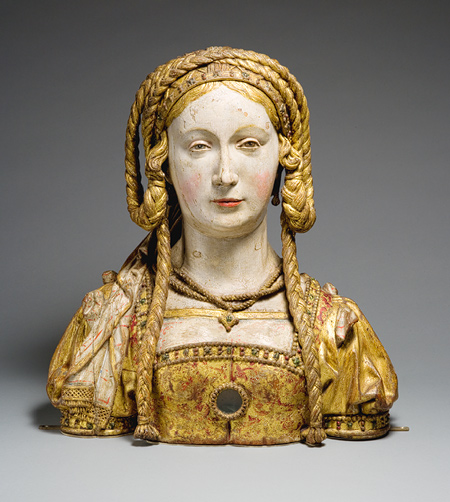
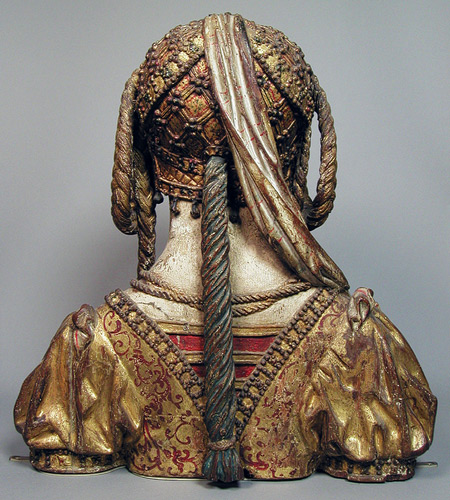
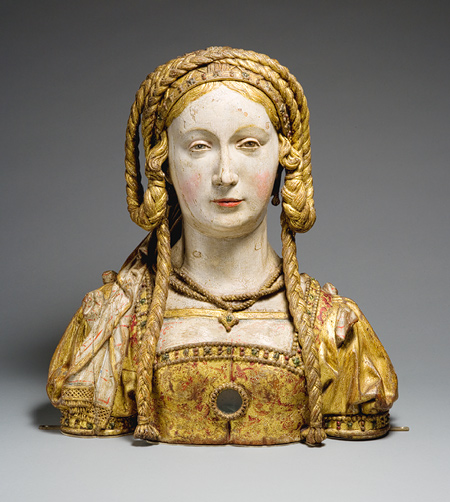
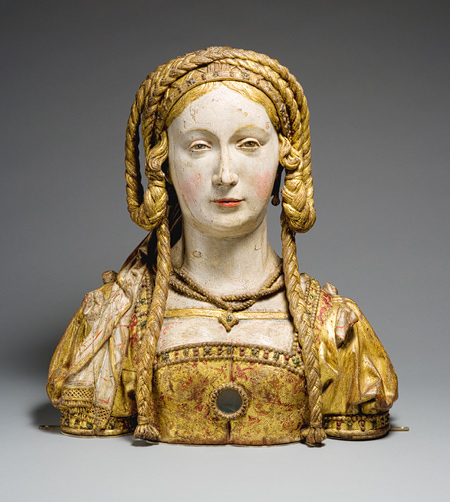
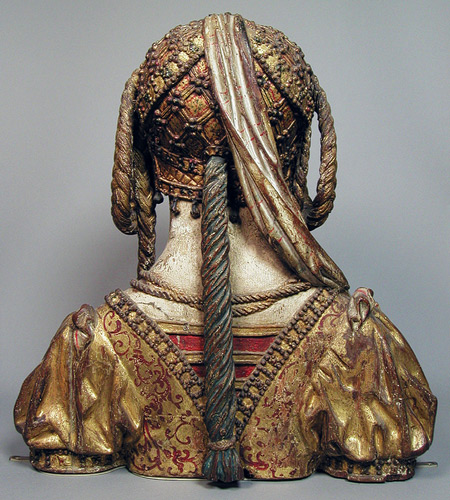
Reliquary Bust of Saint Balbina, ca. 1520–30
South Netherlandish (possibly made in Brussels, Belgium)

“All reliquaries derive their power from the relic they contain as well as from the beauty and intrinsic qualities of the vessel. Reliquaries in the form of busts became widespread during the High Middle Ages. This head (made of painted and gilded oak) contains the skull of Saint Balbina, an early virgin martyr of Rome. The label on the little door on top identifies the relic inside. She is richly dressed in a fashionable gown and with jewelry and an elaborate coiffure.” (metmuseum.org)

inkandcayenne:

cosmictuesdays:

3liza:

boysinbarrettes:

one time in an english class for some reason we had to read and respond to an article about a couple of young parents who had decided to take away all this Fancy New Technology and only use shit that had been around since the mid-80s. it quoted the father as saying something like “kids today are just spending too much time looking at their screens, it wasn’t like that when i was a kid, we were outside all the time!”. but the parents were about the same age as me. they were part of my generation. and when they were kids—when we were kids—our parents said the same thing about us. we spend too much time playing video games, playing nintendo, watching 24 hour cable tv, and not enough time playing outside. and our parents got the same shit when they were kids, about spending too much time watching tv. and this shit just goes back generations and generations, and maybe it turns out that when we grow up we romanticize our childhoods?? like, if you don’t think your eight-year-old needs a cell phone, that’s fine, but don’t act like this is a sign of some moral decay that conveniently didn’t start until after you graduated from high school

rewind a 115 years and read any record of adult sentiment during the time (and place) and you get: kids these days read too many fucking novels and spend too much time playing tennis and going boating with their friends in straw hats!! jazz music is corrupting western civilization!!! bustle skirts and picture hats are way too revealing attire for young women!!!!!

The “good old days” were actually terrible, and water is wet.

image

Three thousand years ago: YOU KIDS TODAY AND YOUR MARSH THICKETS.

Perhaps the most telling comment comes from the pen of English cleric John of Wallingford, prior of St. Fridswides, who complained bitterly that the Viking Age men of the Danelaw combed their hair, took a bath on Saturday, and changed their woolen garments frequently, and that they performed these un-Christian and heathen acts in an attempt to seduce high-born English women1:

It is reported in the chronicle attributed to John of Wallingford that the Danes, thanks to their habit of combing their hair every day, of bathing every Saturday and regularly changing their clothes, were able to undermine the virtue of married women and even seduce the daughters of nobles to be their mistresses2.

Britons get extremely pissed off about how hygienic vikings were (via toopunktofuck)

The second reason was that swearing was so important was that people believed if you would swear by God’s bones, or by Christ’s fingernails, you were actually affecting their bodies up in Heaven. Mohr notes, “to us it doesn’t make any sense.. but in makes sense as a sort of Catholic Eucharist, where a priest said some words and makes God’s physical body which he then breaks and eats, and shares among the congregation. And in swearing anybody could say these magic words that could tear Christ’s body part. So this was a kind of terrifying language that people were tremendously worried about, and so if you wanted to you insult someone or express joy or you stubbed your toe and wanted to relieve the pain, those were the words that you were going to use because they had this tremendous power.”