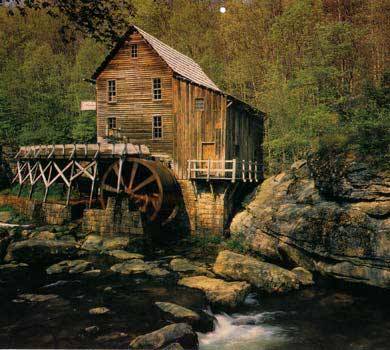
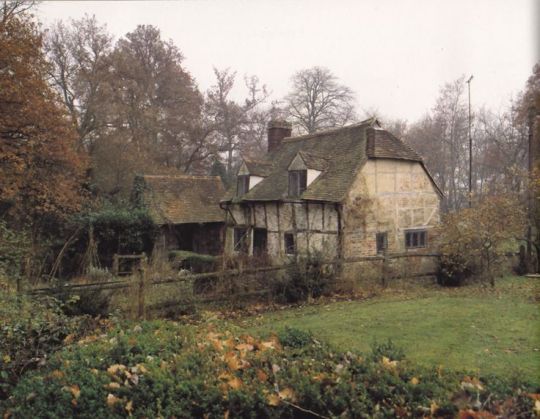
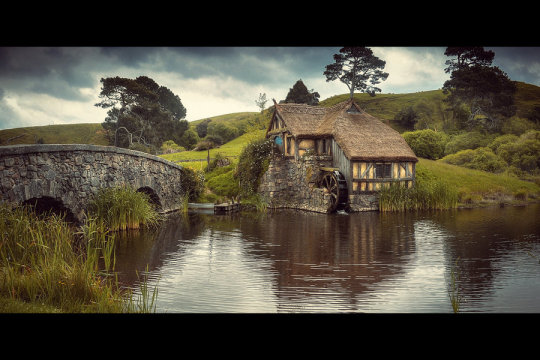
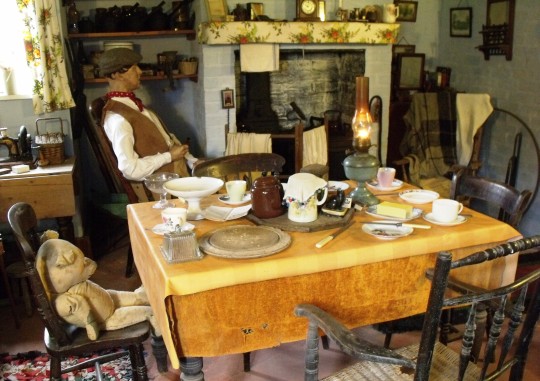
So (according to the concept art book) as the Fellowship travels deeper into Middle Earth, the places they pass through become inspired by progressively older periods of history. The farther along you are in the story, the more ancient the design influences
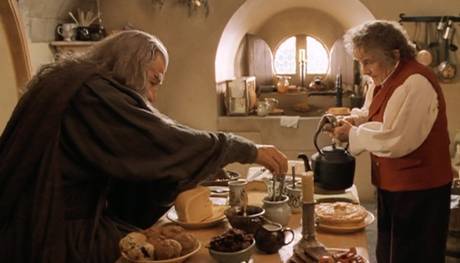
We begin in The Shire: which feels so familiar because, with its tea-kettles and cozy fireplaces, it’s inspired by the relatively recent era of rural England in the 1800s
But when we leave Hobbiton, we also leave that familiar 1800s-England aesthetic behind and start going farther back in time.
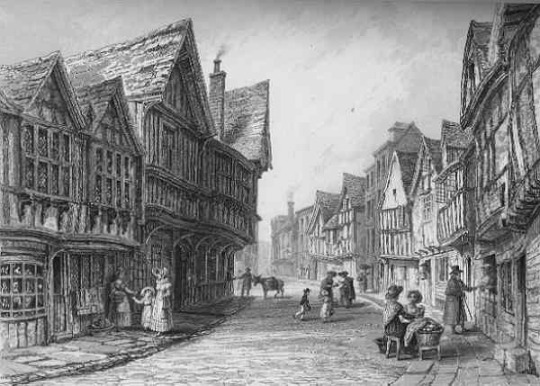
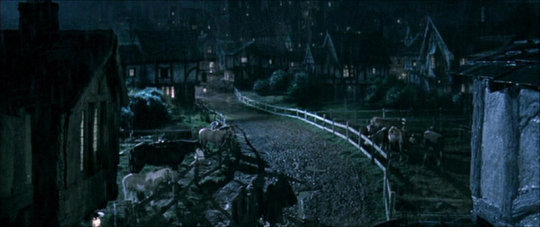
Bree is based on late 1600s English architecture
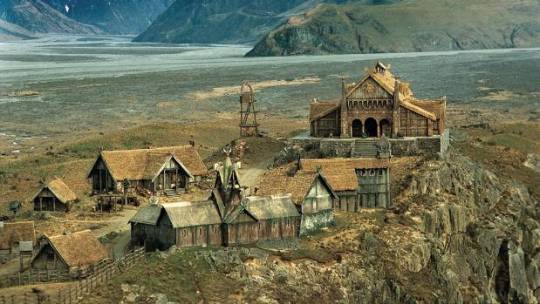
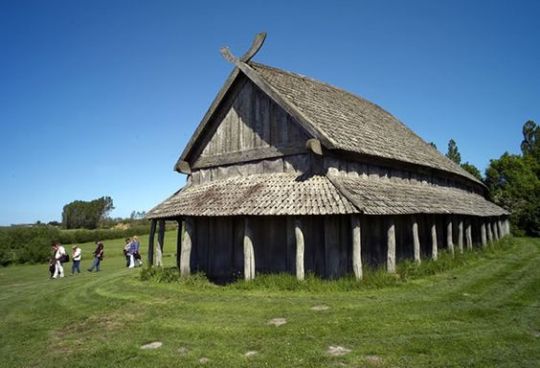
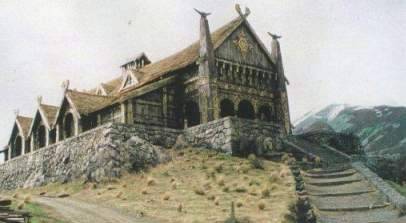
Rohan is even farther back, based on old anglo-saxon era architecture (400s-700s? ce)
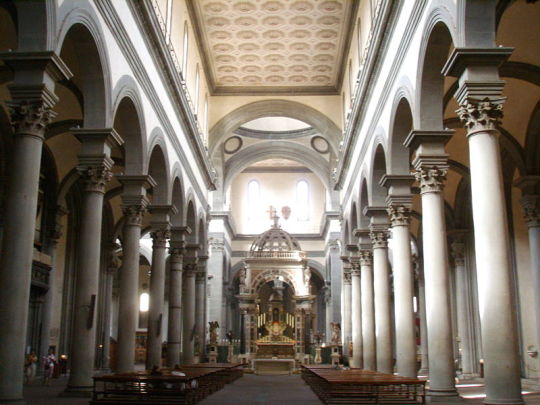
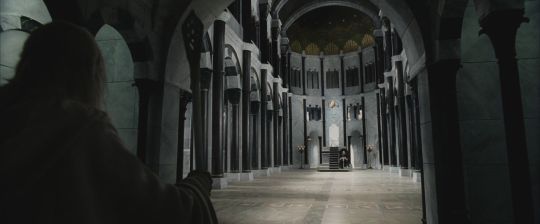
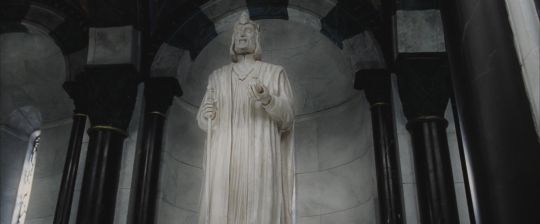
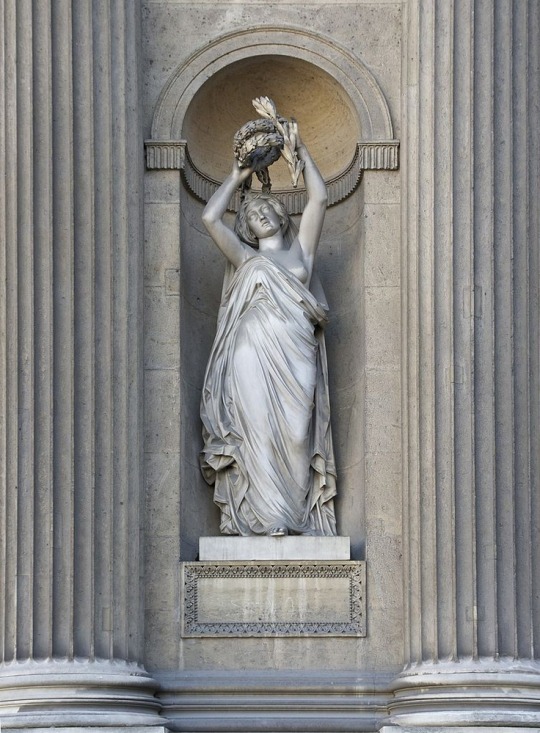
Gondor is way back, and no longer the familiar English or Anglo-Saxon: its design comes from classical Greek and Roman architecture
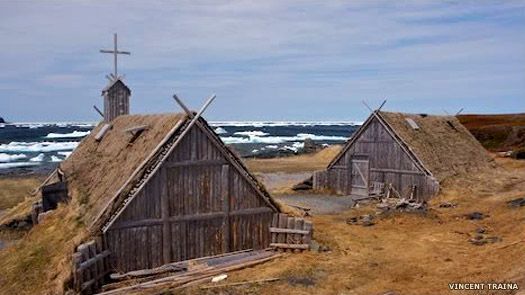
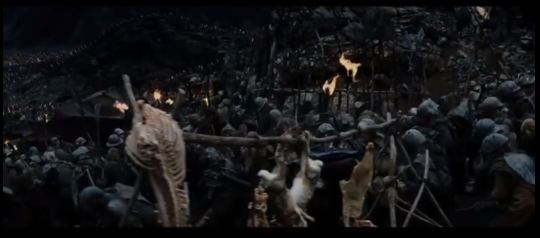
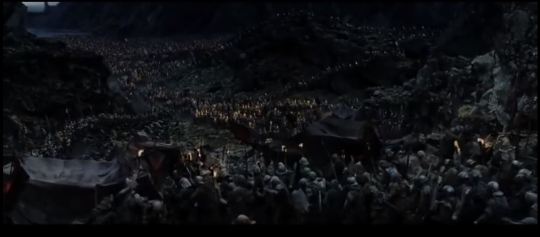
And far far FAR back is Mordor. It’s a land of tents and huts: prehistoric, primitive, primeval. Cavemen times
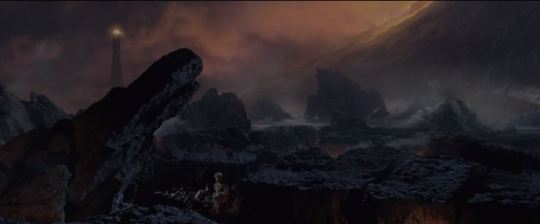
And the heart of Mordor is a barren lifeless hellscape of volcanic rock…like a relic from the ages when the world was still being formed, and life didn’t yet exist
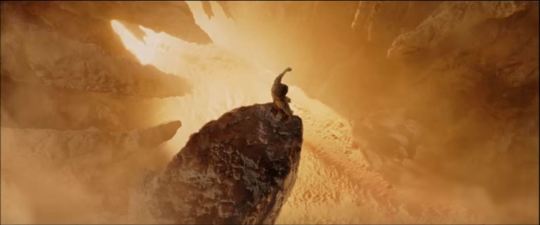
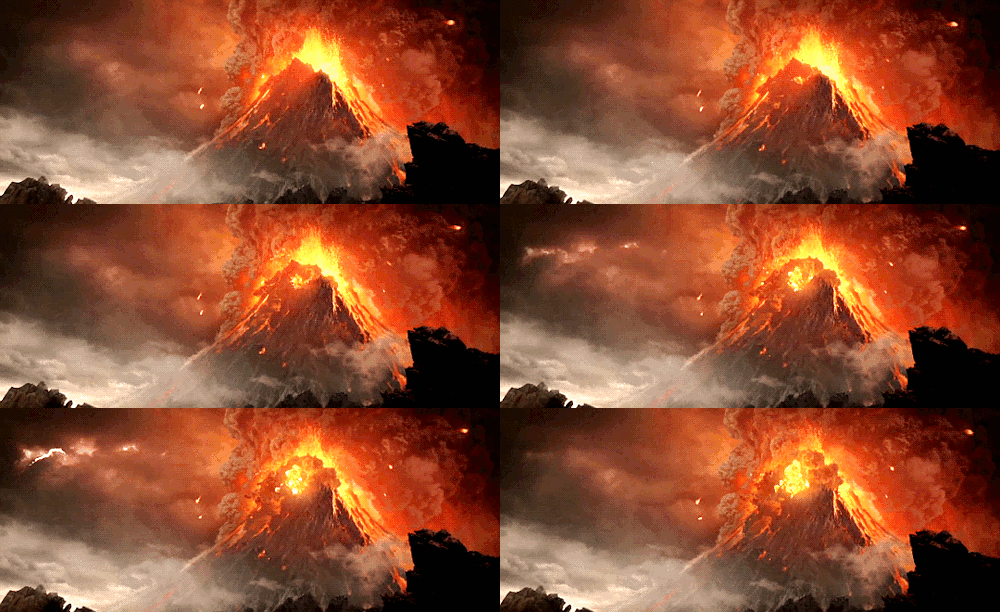
And then they finally reach Mount Doom, which one artist described as
“where the ring was made, which represents, in a sense, the moment of creation itself”
So (according to the concept art book) as the Fellowship travels deeper into Middle Earth, the places they pass through become inspired by progressively older periods of history. The farther along you are in the story, the more ancient the design influences
We begin in The Shire: which feels so familiar because, with its tea-kettles and cozy fireplaces, it’s inspired by the relatively recent era of rural England in the 1800s
But when we leave Hobbiton, we also leave that familiar 1800s-England aesthetic behind and start going farther back in time.
Bree is based on late 1600s English architecture
Rohan is even farther back, based on old anglo-saxon era architecture (400s-700s? ce)
Gondor is way back, and no longer the familiar English or Anglo-Saxon: its design comes from classical Greek and Roman architecture
And far far FAR back is Mordor. It’s a land of tents and huts: prehistoric, primitive, primeval. Cavemen times
And the heart of Mordor is a barren lifeless hellscape of volcanic rock…like a relic from the ages when the world was still being formed, and life didn’t yet exist
And then they finally reach Mount Doom, which one artist described as
“where the ring was made, which represents, in a sense, the moment of creation itself”
This is clearly a very early and ultimately unused piece of concept art, but it’s fascinating to see. I’m glad they made the Abrasax siblings more human in the film – if they’d made them all green it would have been very difficult to accept their kinship with Jupiter.
This is clearly a very early and ultimately unused piece of concept art, but it’s fascinating to see. I’m glad they made the Abrasax siblings more human in the film – if they’d made them all green it would have been very difficult to accept their kinship with Jupiter.
We have an absolutely insane collection of Jupiter Ascending concept art that shows completely different concepts for the already astounding characters designed for this space odyssey. The Wachowski’s original vision for Balem (Eddie Redmayne) was bananas.
“Probably largest painting I’ve ever done. I worked on this piece under
supervision of John Gaeta and unfortunately this sequence didn’t end up
being in the film. Was a lot of fun nontheless and great learning
process on limits (or lack of thereof) of scale of the painting. Cheers!”